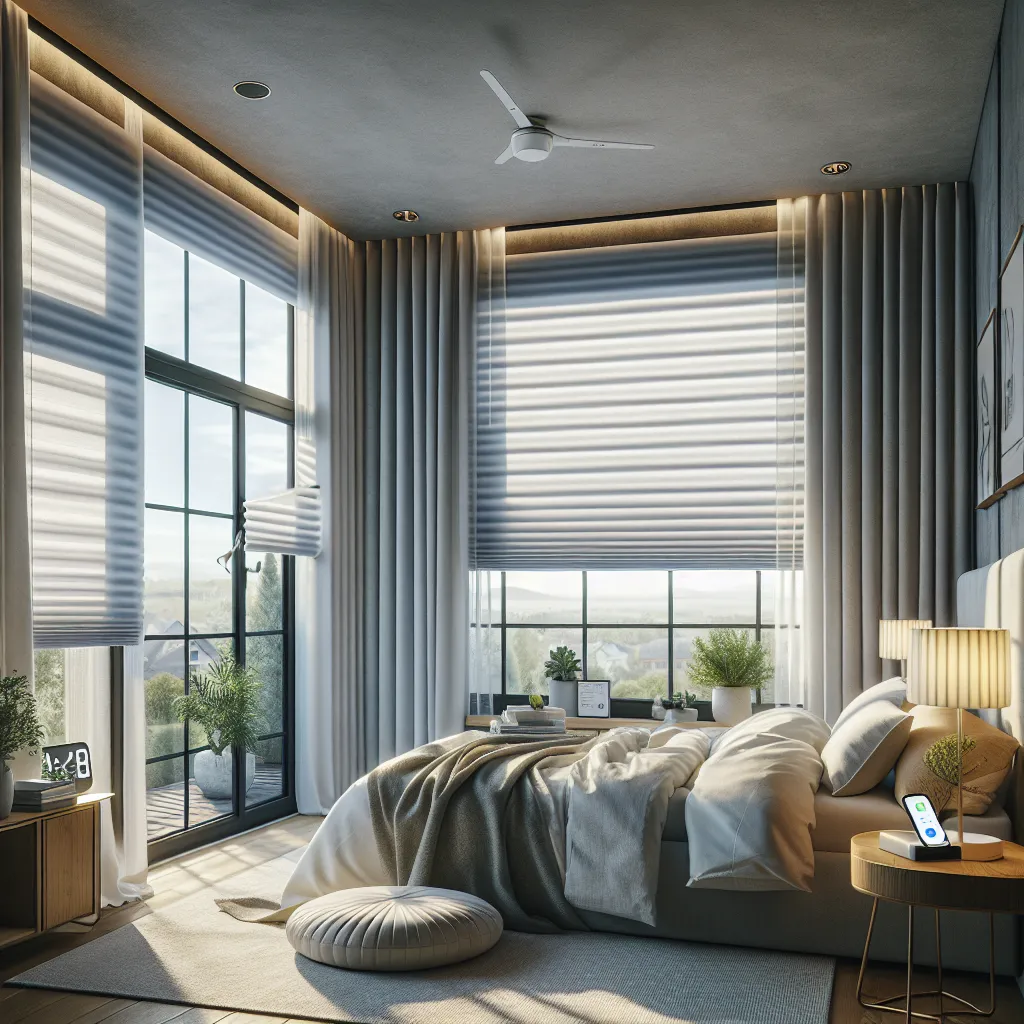
Window Treatment Trends 2026: What's In and What's Out
Window Treatment Trends 2026: What's In and What's Out
The window treatment industry is undergoing one of its most significant transformations in decades. Smart home integration, sustainability concerns, and a renewed focus on natural materials are reshaping what homeowners want from their blinds, shades, and shutters. According to industry research, the global smart window covering market is projected to surpass $16 billion by 2027, growing at nearly 12% annually. That growth reflects a broader shift in how people think about the windows in their homes: they are no longer just openings to cover, but opportunities to enhance comfort, save energy, and express personal style.
Whether you are renovating a single room or outfitting a new build, understanding the trends driving the market in 2026 will help you make choices that look current today and hold up for years to come. Here is a comprehensive look at what is in, what is gaining momentum, and what is quietly fading from favor.
What's Trending In 2026
1. Smart and Motorized Blinds Go Mainstream
The single biggest trend in window treatments this year is the rapid adoption of motorized and smart-enabled blinds. What was once a luxury upgrade reserved for high-end custom installations has become accessible and affordable for everyday homeowners. The introduction of the Matter smart home standard in late 2024 and its widespread adoption through 2025 has eliminated the compatibility headaches that previously held buyers back.
Today, motorized blinds from brands across the price spectrum can connect seamlessly to Amazon Alexa, Google Home, and Apple HomeKit. Homeowners are using voice commands to raise and lower shades, setting automated schedules tied to sunrise and sunset, and creating whole-home scenes that adjust every window with a single tap.
The appeal goes beyond convenience. Motorized blinds improve energy efficiency by automatically adjusting throughout the day to manage solar heat gain. Studies from the Department of Energy suggest that automated window coverings can reduce cooling costs by up to 15% in warm climates when programmed to respond to sun position.
If you have been considering the upgrade, 2026 is the year the technology-to-price ratio finally makes sense for most budgets. Explore our motorized roller shades and motorized cellular shades to see what is available.
2. Natural Materials and Organic Textures
Interior designers and homeowners alike are gravitating toward window treatments made from natural, textured materials. Woven wood shades, bamboo blinds, jute roller shades, and linen Roman shades are dominating design boards and showrooms. This trend reflects a broader movement in interior design toward biophilic design, which emphasizes connections to the natural world through organic materials, earthy tones, and living textures.
Natural material window treatments bring warmth and depth that synthetic fabrics struggle to replicate. A woven wood shade in a living room introduces subtle visual complexity through its grain variations and color shifts, turning a functional window covering into a design feature. Unlike the uniform perfection of mass-produced synthetic materials, natural fibers carry slight imperfections that make each installation feel unique and handcrafted.
What makes this trend particularly durable is its versatility. Natural material shades work across design styles, from coastal casual to mid-century modern to Japandi. They pair equally well with a minimalist Scandinavian interior and a warm, layered traditional room.
Browse our selection of woven wood shades to bring this trend into your home.
3. Layered Window Treatments
One of the most visually impactful trends in 2026 is the return of layered window treatments. Designers are combining two or more window covering types on a single window to achieve both aesthetic depth and functional versatility. The classic pairing is a sheer or light-filtering shade behind a heavier drape, but 2026 has introduced creative new combinations.
Popular layering approaches include:
- Roller shade plus drapes. A clean, modern roller shade handles daily light control and privacy, while floor-length drapes in a complementary fabric add softness and frame the window architecturally.
- Cellular shade under a valance. The cellular shade provides energy efficiency and light management, while a structured or soft valance adds a finishing touch that conceals the hardware.
- Sheer shade with blackout roller. A sheer shade stays down during the day for diffused light and gentle privacy, while a blackout roller behind it drops down at night for total darkness in bedrooms.
- Woven wood shade with side panels. The textured natural shade anchors the window, and linen or cotton side panels introduce color and additional framing.
Layering allows homeowners to avoid compromising between aesthetics and function. You get the decorative impact of curtains with the precision light control of a fitted shade. It also provides an opportunity to introduce pattern, color, or texture without committing to a single bold window treatment.
4. Warm Neutrals and Earthy Color Palettes
The cool gray color palette that dominated the 2010s and early 2020s has decisively given way to warm neutrals. In 2026, the most popular window treatment colors are warm whites, creamy ivories, soft taupes, terracotta tones, sage greens, and mushroom browns. These colors align with the broader interior design shift toward cozy, grounded spaces that feel welcoming rather than stark.
The warm neutral trend extends beyond solid colors. Fabrics with subtle tonal patterns, gentle ombres, and muted organic prints are gaining popularity, especially in Roman shades and roller shades where the flat fabric surface showcases pattern effectively.
Key colors trending in window treatments for 2026:
| Color Family | Popular Shades | Best For |
|---|---|---|
| Warm White | Alabaster, cream, bone | Any room, pairs with everything |
| Taupe & Greige | Mushroom, warm gray, latte | Living rooms, bedrooms |
| Sage & Olive | Muted sage, dusty olive | Kitchens, bathrooms, sunrooms |
| Terracotta | Clay, burnt sienna, rust | Accent windows, dining rooms |
| Warm Brown | Caramel, walnut, chestnut | Studies, dens, traditional spaces |
When choosing colors, consider how your window treatments will look against both your wall color and the outdoor view visible through the window. Warm neutrals tend to complement green outdoor landscapes beautifully while making interior spaces feel cohesive.
5. Sustainability and Eco-Friendly Options
Sustainability has moved from a niche concern to a mainstream purchasing factor in the window treatment industry. Consumers in 2026 are actively seeking out blinds and shades made from recycled materials, sustainably harvested wood, organic fabrics, and low-VOC components. Manufacturers have responded with product lines that prominently feature environmental certifications and transparent supply chain information.
Cellular shades remain one of the most sustainable choices from an energy perspective. Their honeycomb structure creates insulating air pockets that reduce heat transfer through windows, lowering both heating and cooling energy consumption. The Department of Energy estimates that properly fitted cellular shades can reduce heat loss through windows by up to 40% in winter and block up to 80% of unwanted solar heat in summer.
Beyond energy efficiency, look for these sustainability indicators when shopping:
- GREENGUARD Gold certification for low chemical emissions
- FSC-certified wood in wood blinds and shutters
- Recycled polyester fabrics in roller and Roman shades
- Biodegradable or recyclable components in hardware and packaging
Our cellular shades collection includes energy-efficient options that help reduce your home's carbon footprint while lowering utility bills.
6. The Roman Shade Comeback
Roman shades have always had a loyal following, but 2026 marks a genuine resurgence. The reason is straightforward: Roman shades occupy a unique middle ground between the clean functionality of a roller shade and the soft elegance of a curtain. When raised, they stack in neat horizontal folds. When lowered, they present a flat or gently cascading fabric surface that showcases color, pattern, and texture beautifully.
The current iteration of the Roman shade trend leans toward relaxed and casual fold styles rather than the rigid, tailored flat-fold Romans that dominated a decade ago. Fabrics are lighter, textures are more natural, and the overall look is approachable rather than formal.
Roman shades are particularly popular in 2026 for kitchens, dining rooms, and home offices, where they add a layer of visual warmth that roller shades cannot match while maintaining a compact, window-hugging profile that curtains cannot achieve.
Explore our Roman shades collection to see the latest styles and fabrics.
7. Minimalist Roller Shades for Modern Spaces
On the opposite end of the spectrum from layered, textured treatments, minimalist roller shades continue to gain ground in modern and contemporary homes. The appeal is clean lines, invisible hardware, and a flush, uncluttered look that lets architecture and furnishings take center stage.
The 2026 roller shade is sleeker than ever. Cassette valances that conceal the rolled fabric are now standard on quality installations, creating a seamless integration with the window frame. Fabrics range from translucent sunscreens that preserve the outdoor view while cutting glare to total blackout materials for bedrooms and media rooms.
Motorization has been a particular accelerator for roller shade adoption. Without cords or chains, a motorized roller shade becomes almost invisible when raised, a look that perfectly suits the minimalist design ethos.
Check out our roller shades for a streamlined, modern look.
What's Going Out of Style
Not every trend has staying power. Here are the window treatment styles and choices that are fading from favor in 2026.
Vertical Blinds
Once the default treatment for sliding glass doors and large windows, traditional vertical blinds are in steady decline. Homeowners find them noisy, prone to damage, and visually dated. Vertical cellular shades, panel track blinds, and motorized roller shades are replacing them in virtually every application where vertical blinds were once the standard.
Cool Gray Fabrics
As warm neutrals take over, the blue-gray and charcoal fabric tones that were ubiquitous from 2015 through 2022 look increasingly out of place. If your home still features cool gray window treatments, they will begin to clash as you update other elements of your decor toward warmer palettes.
Heavy, Ornate Drapery
Formal, multi-layered drapery with swags, jabots, tassels, and heavy brocade fabrics continues to lose ground. Even in traditional homes, the preference has shifted toward simpler, lighter layered treatments that feel collected rather than staged. The exception is in historically accurate restorations, where period-appropriate drapery remains appropriate.
Corded Blinds Without Safety Features
Beyond aesthetics, corded blinds without child-safety features are being phased out by both regulation and consumer preference. Cordless lift systems, motorization, and wand-operated mechanisms have become the expected standard. If your home still has traditional corded blinds, replacing them improves both safety and style.
Purely Decorative Treatments
Window treatments that prioritize appearance over function, such as stationary side panels that do not close or valances over bare windows, are giving way to treatments that work as hard as they look. The 2026 consumer wants every element of a window treatment to serve a purpose, whether that is light control, privacy, energy efficiency, or all three.
How to Apply These Trends in Your Home
Trends provide direction, but the best window treatment choices are the ones that align with your specific needs and the realities of your home. Here is a practical framework for applying 2026 trends:
Start With Function
Before considering aesthetics, identify what each window needs to do. Does it need blackout capability for a bedroom? UV protection for furniture? Privacy without losing light? Energy insulation for a drafty old window? Once you know the functional requirements, you can narrow down which trending styles actually serve your needs.
Consider Your Home's Architecture
A mid-century modern ranch and a Victorian row house call for different interpretations of the same trends. Natural woven wood shades might be a perfect fit for a casual, open-plan contemporary home but look out of place in a formal traditional living room, where a Roman shade in a warm linen fabric would carry the same natural-material trend more appropriately.
Invest Where It Matters
Not every window needs the most expensive, fully motorized treatment. A practical approach is to invest in smart motorized shades for the windows you interact with most, large living room windows, hard-to-reach skylights, and bedroom windows, while using coordinating manual shades on less-used windows like closets and hallways.
Think About Longevity
Trends cycle, but quality endures. Choosing classic shapes like cellular shades, roller shades, or Roman shades in neutral, warm-toned fabrics ensures your investment will look current for years. Save bolder trend expressions, like statement-colored Roman shades or heavily textured woven woods, for smaller or less prominent windows where a future update would be inexpensive.
Order Samples First
Before committing to a full order, request fabric and material samples to see how colors and textures look in your specific light conditions. The same warm white fabric can look completely different in a south-facing room flooded with natural light versus a north-facing room with cooler, indirect illumination. Order free samples from our collection to compare options in your home before you buy.
Looking Ahead
The window treatment landscape in 2026 reflects broader shifts in how people live. Homes are smarter, design tastes are warmer and more natural, and consumers expect sustainability and function alongside style. The trends outlined here are not fleeting fads; they represent genuine, structural shifts in the market that will influence product development and design choices for years to come.
Whether you are drawn to the convenience of motorized smart blinds, the tactile warmth of woven natural materials, or the clean simplicity of minimalist rollers, the market in 2026 offers more quality options at more accessible price points than ever before.
Ready to update your windows for 2026? Browse our full collection of window blinds and shades or contact our design team for personalized recommendations based on your home, your style, and your budget.