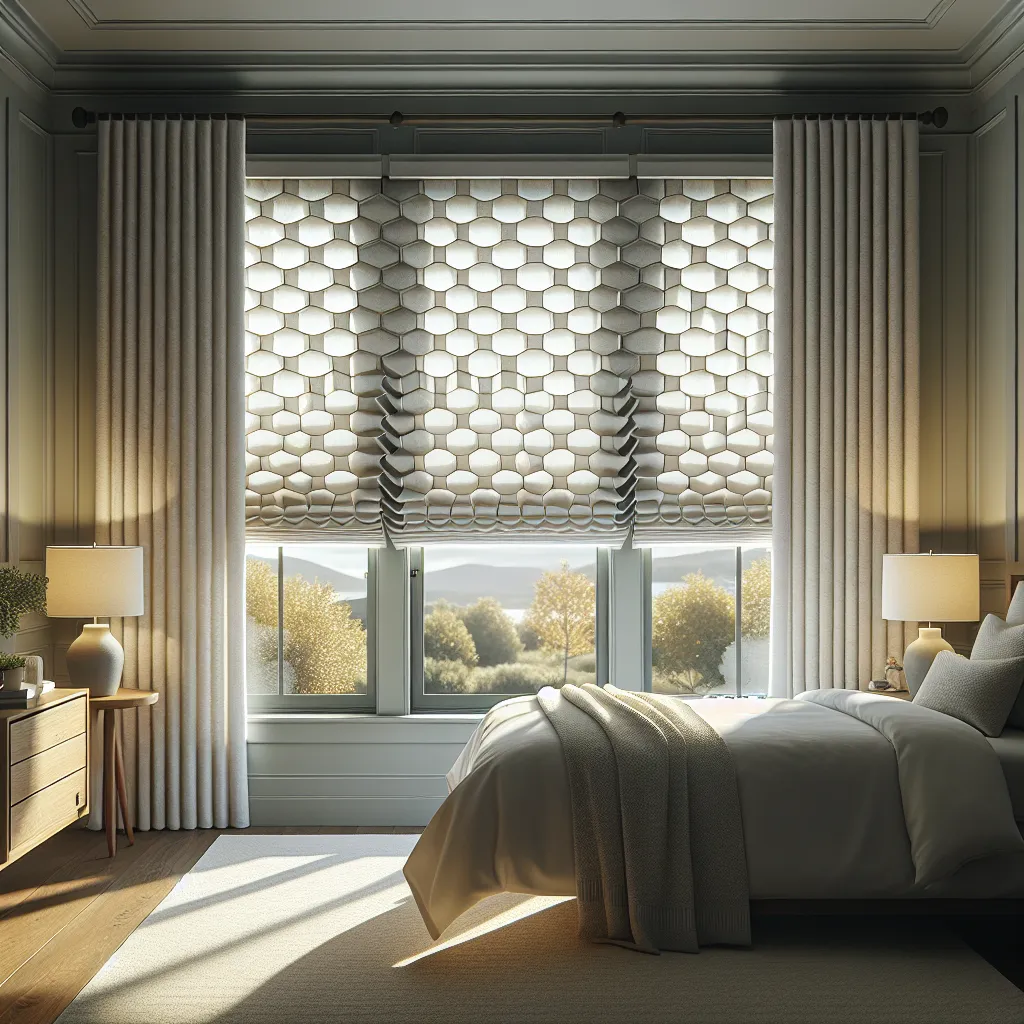
Best Window Treatments for a Nursery: Safe and Functional Options
Best Window Treatments for a Nursery: Safe and Functional Options
Setting up a nursery involves hundreds of decisions, and window treatments might not seem like the most important one. But the blinds or shades you choose for your baby's room directly affect their sleep quality, safety, and comfort every single day. The wrong window treatments can let in too much light during nap time, create dangerous cord hazards, or fail to regulate temperature in a room where your baby spends most of their time.
The best nursery blinds do three things extremely well. They block light for daytime naps and early mornings. They operate without cords that pose strangulation risks. And they help maintain a comfortable, consistent temperature. In this guide, we rank the five best types of nursery window treatments based on safety, light blocking, temperature regulation, and overall nursery suitability.
Nursery Window Treatment Safety: What Every Parent Needs to Know
Safety is the non-negotiable starting point for any nursery window treatment decision. Before we discuss light blocking or style, you need to understand the safety standards that should govern your choice.
The Cord Danger
Window blind cords are one of the leading causes of accidental strangulation in young children. The U.S. Consumer Product Safety Commission (CPSC) has documented hundreds of child deaths and injuries from window covering cords since 1990. Children can become entangled in looped cords, continuous-loop chains, and inner lift cords in seconds, often silently.
This is not a risk you can manage with supervision alone. Strangulations have occurred while parents were in the next room, during nap time, and even while children were in their cribs near a window. The only reliable solution is eliminating the hazard entirely by choosing cordless window treatments.
CPSC and ANSI Standards
The CPSC strongly recommends cordless window coverings in all homes with young children. The American National Standards Institute (ANSI) and the Window Covering Manufacturers Association (WCMA) have established voluntary safety standards that classify window coverings by cord accessibility.
Best for Nurseries (WCMA "Best for Kids" certified): Products with no accessible cords of any kind. This includes cordless lift systems, motorized systems, and fixed-mount treatments. Look for the "Best for Kids" certification mark when shopping.
Acceptable with caution: Products with inaccessible inner cords that are enclosed within the blind or shade body. These cords cannot be pulled out or looped, but any degradation of the product over time could potentially expose them.
Never use in a nursery: Products with any external operating cords, chains, or accessible inner cords. This includes standard corded blinds, chain-operated roller shades without cord safety devices, and any treatment with dangling pull cords.
Crib and Furniture Placement
Even with cordless window treatments, keep your baby's crib at least three feet away from any window. Children can push against, pull on, or climb toward window treatments, potentially pulling them down along with the mounting hardware. Dressers, changing tables, and rocking chairs should also be positioned to prevent a child from using them to reach the window.
Top 5 Best Window Treatments for Nurseries (Ranked)
We evaluated nursery window treatments on safety (weighted most heavily), light blocking for nap time, temperature regulation, noise reduction, ease of cleaning, and long-term usability as your child grows. Here are our top five picks.
1. Cordless Blackout Cellular Shades — Best Overall for Nurseries
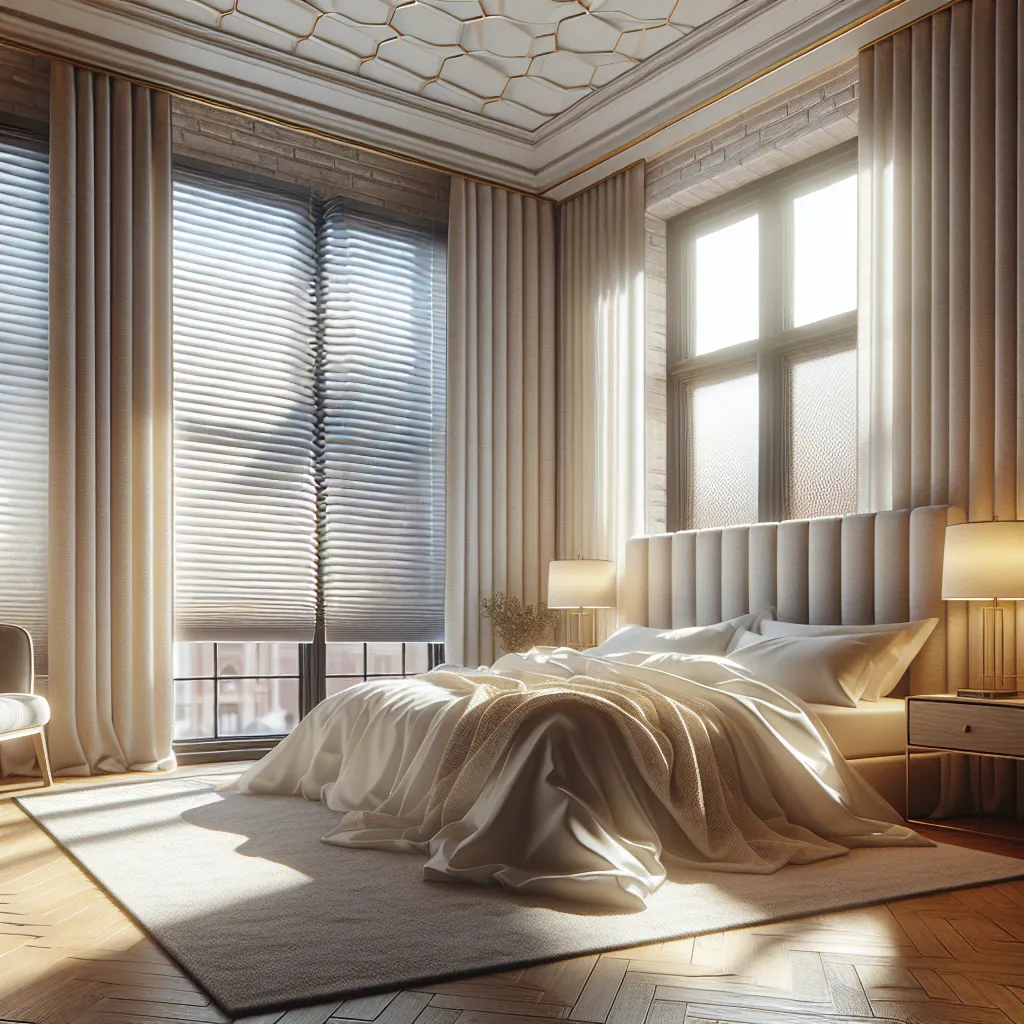
Cordless blackout cellular shades are the gold standard for nursery windows, combining the highest safety with the best sleep-promoting light control and temperature regulation.
Why they top our list. These shades check every nursery requirement with excellence. No cords of any kind. Near-total light blocking in blackout fabric. Superior insulation from the honeycomb cell structure. Sound dampening that helps buffer outside noise during nap time. And a clean, attractive appearance that works with any nursery decor.
Safety. Cordless cellular shades have no external cords, chains, or strings. They operate by simply pushing or pulling the bottom rail up or down. There is nothing for a child to wrap around their neck, pull on, or become entangled in. Many models carry the WCMA "Best for Kids" certification.
Light blocking. In blackout fabric, cellular shades block 95 to 99 percent of light through the material itself. For true blackout in a nursery, install with an outside mount that overlaps the window frame by 2 to 3 inches on each side, and consider adding side channels to eliminate edge light gaps. Nap time darkness is critical for infants and toddlers whose sleep schedules depend on environmental darkness cues.
Temperature regulation. This is a major advantage for nurseries. Babies cannot regulate their body temperature as effectively as adults, making room temperature consistency important for safe, comfortable sleep. Cellular shades with double-cell construction reduce heat transfer through windows by up to 50 percent. In summer, they keep the nursery cooler without over-relying on air conditioning. In winter, they block cold drafts that can make a crib near a window uncomfortable.
Noise reduction. The cellular structure absorbs outside noise, creating a quieter sleep environment. This matters more than many parents expect, especially in nurseries facing streets, parking areas, or neighboring homes. Reduced ambient noise helps babies sleep longer and wake less frequently.
Cleaning. Spot-clean with a damp cloth. Regular dusting with a soft brush attachment on a vacuum keeps the cells clean. Nursery shades can accumulate dust and allergens, so monthly light vacuuming is recommended for maintaining healthy indoor air quality.
Longevity. Cordless blackout cellular shades remain appropriate as your child grows from infant to toddler to young child. The same shades that darken a nursery for afternoon naps serve equally well for a five-year-old's bedtime. This longevity makes the higher upfront cost a better value over time.
Best for: All nurseries. This is our universal recommendation.
Browse our cellular shade collection
2. Cordless Blackout Roller Shades — Best Budget Nursery Option
Cordless blackout roller shades deliver excellent light blocking and safety at a lower price point than cellular shades.
Why they rank second. If cellular shades stretch your nursery budget, cordless blackout roller shades provide nearly the same light blocking performance with the same cord-free safety at a significantly lower cost. The spring-loaded cordless mechanism is intuitive, one gentle pull opens or closes the shade, and there is nothing for curious hands to grab.
Safety. Fully cordless spring-loaded operation with no external cords or chains. The shade sits flush against the roller tube when raised, leaving nothing dangling. These meet the same cord-free safety standards as cordless cellular shades.
Light blocking. Blackout roller shade fabric blocks 95 to 100 percent of light through the material. Because roller shades sit relatively flat against the window, edge light gaps can be slightly more noticeable than with cellular shades. Use an outside mount with 3 inches of overlap on each side and a valance at the top to minimize these gaps.
Temperature regulation. Standard roller shades provide minimal insulation. Some premium blackout roller shades include a reflective white or silver backing that reduces heat gain from direct sun, which helps in south-facing or west-facing nurseries. However, they do not match the insulating performance of cellular shades.
Noise reduction. Minimal. The single layer of fabric does not absorb significant sound.
Cleaning. Wipe down with a damp cloth. The smooth, flat surface is easy to maintain and does not trap dust in the same way cellular structures can.
Considerations. The all-or-nothing operation (up or down) means less flexibility for adjusting light levels as your child's needs change. No partial filtering or top-down option unless you choose a more complex model. For pure nap-time darkness at a nursery-friendly price, though, cordless blackout roller shades deliver reliably.
Best for: Budget-conscious nursery setups, second nursery for a growing family, rental homes where you may need to remove the treatments later.
3. Motorized Cellular Shades — Best for Convenience and Quiet Operation
Motorized cellular shades add whisper-quiet, remote-controlled operation to all the benefits of cellular shades, which is a genuine advantage when you have a sleeping baby in the room.
Why they rank third. Every parent has experienced the delicate operation of darkening a nursery without waking the baby. Manually raising or lowering a shade creates noise and movement that can disturb a light sleeper. Motorized cellular shades operate silently with a remote control, wall button, or smartphone app, meaning you can darken the room from the doorway or even from outside the room entirely.
Safety. Motorized operation is the safest possible window treatment mechanism. There are no cords, no chains, and no manual pull mechanisms. The shade operates entirely via remote signal. There is genuinely nothing for a child to interact with.
Light blocking. Identical to cordless cellular shades when using blackout fabric: 95 to 99 percent light blocking through the material. Motorized shades can also be programmed to close automatically before nap time and open gradually to simulate a natural wake-up, which many parents and sleep consultants recommend.
Temperature regulation. Identical to cordless cellular shades. Honeycomb structure provides excellent insulation.
Convenience features. Program daily schedules for nap time and bedtime. Integrate with smart home systems to trigger shade closure when a white noise machine turns on. Set gradual morning opening to help your child's body clock establish a consistent wake time. These automation capabilities sound like luxury features, but parents who use them consistently report measurably better infant and toddler sleep routines.
Considerations. Motorized cellular shades cost 30 to 50 percent more than cordless versions. They require either hardwired power (installed during construction or renovation) or rechargeable batteries that need periodic recharging, typically every three to six months with normal use. Battery-operated motors are quieter than some hardwired options.
Best for: Parents who prioritize sleep routine consistency, nurseries where the baby sleeps lightly, smart home households, parents who want to darken the room without entering it.
4. Cordless Light Filtering Cellular Shades — Best for Daytime Nursery Light
Not every nursery window needs blackout. Cordless light filtering cellular shades create a soft, warm glow that is perfect for daytime play, feeding, and bonding.
Why they rank fourth. Many nurseries have more than one window, and not every window needs total blackout. Light filtering cellular shades in a soft, warm-toned fabric create the gentle, cozy atmosphere that makes a nursery feel nurturing during waking hours. They provide privacy without darkness, filter harsh sunlight into a diffused glow, and maintain the same cordless safety as blackout versions.
Safety. Identical to cordless blackout cellular shades. Fully cordless with no accessible cords.
Light filtering performance. Light filtering fabrics block 40 to 70 percent of incoming light, creating a soft, glowing effect rather than harsh direct sunlight or total darkness. This level of filtering is ideal for daytime activities in the nursery: reading, feeding, playing, and diaper changes. It also provides daytime privacy so neighbors and passersby cannot see into the nursery.
Temperature regulation. Same excellent insulation as blackout cellular shades. The cellular structure works identically regardless of fabric opacity.
When to use light filtering vs. blackout. Many nursery designers recommend a combination approach: blackout cellular shades on the window closest to the crib (for nap time darkness) and light filtering shades on other windows (for daytime ambiance). This gives you the best of both worlds without over-darkening the entire room.
Considerations. Light filtering shades are not suitable for nap-time darkness on their own. If your nursery has only one window, choose blackout for that window and consider adding a sheer curtain layer for daytime softening.
Best for: Secondary nursery windows, nurseries used as daytime play rooms, east-facing nursery windows that get gentle morning light.
View our cellular shade selection
5. Cordless Roman Shades (Blackout Lined) — Best for Nursery Style
Cordless blackout-lined Roman shades combine the soft, fabric-forward aesthetic of curtains with the structured function and cord-free safety of a shade.
Why they rank fifth. Roman shades are the most decorative option on this list. They fold into soft, elegant pleats when raised and lie flat when lowered, creating a fabric window treatment that adds warmth, color, and texture to your nursery design. Cordless versions with a blackout lining provide both the style appeal and the functional darkness that nurseries require.
Safety. Cordless Roman shades operate with a spring-loaded or tension mechanism that eliminates external cords. Some Roman shades have internal routing cords for the folding mechanism. Ensure any Roman shade you choose for a nursery has fully enclosed, inaccessible internal cords that meet WCMA "Best for Kids" standards.
Light blocking. Blackout-lined Roman shades block 90 to 99 percent of light through the fabric, depending on the outer fabric color and the quality of the blackout lining. Darker fabric colors generally block more light. The folding nature of Roman shades can create small light gaps at the fold points when lowered, which is a minor drawback compared to flat roller or cellular shades.
Temperature regulation. Moderate. The fabric layers provide some insulation, particularly when a thick outer fabric is combined with a blackout lining, but they do not match the thermal performance of cellular shades.
Aesthetic appeal. Roman shades are available in the widest range of fabrics, patterns, and colors on this list. From soft pastels and nursery prints to textured linens and cottons, they can tie together your nursery's design theme in a way that utilitarian cellular or roller shades cannot.
Considerations. Cordless Roman shades are among the more expensive options. The fabric construction makes them harder to clean than cellular or roller shades; most require spot cleaning or professional cleaning for stains. The fold-and-stack design means they take up more window space when raised, blocking some of the upper window view. And the internal routing system, while safe when properly manufactured, has more moving parts than a simple cellular or roller shade mechanism.
Best for: Design-focused nurseries, nurseries where style is a high priority alongside safety and function, rooms that will transition from nursery to child's bedroom with updated decor.
Nursery Window Treatment Comparison Table
| Feature | Cordless Blackout Cellular | Cordless Blackout Roller | Motorized Cellular | Cordless Light Filtering Cellular | Cordless Roman Shades |
|---|---|---|---|---|---|
| Safety Rating | Excellent | Excellent | Excellent (best) | Excellent | Very Good |
| Light Blocking | 95-99% | 95-100% | 95-99% | 40-70% | 90-99% |
| Insulation | Excellent | Minimal | Excellent | Excellent | Moderate |
| Noise Reduction | Good | Minimal | Good | Good | Moderate |
| Cleaning Ease | Good | Very Easy | Good | Good | Moderate |
| Style Options | Moderate | Moderate | Moderate | Moderate | Excellent |
| Price Range | $$-$$$ | $-$$ | $$$-$$$$ | $$-$$$ | $$$-$$$$ |
| Best For | Overall best | Budget option | Maximum convenience | Daytime light | Design-focused |
Creating the Ideal Nursery Sleep Environment
Window treatments are one component of a nursery sleep environment that works together to promote healthy, consistent sleep for your baby.
The Darkness Standard for Infant Sleep
Sleep consultants and pediatric sleep researchers generally recommend a nursery that is dark enough during nap time and nighttime that you cannot read a book by the available light. This level of darkness supports melatonin production and helps babies distinguish between sleep time and wake time, which is essential for establishing healthy sleep patterns.
For newborns (0 to 3 months), darkness is less critical because their circadian rhythm has not yet fully developed. By 3 to 4 months, however, light sensitivity increases significantly, and a dark sleep environment becomes much more important for both daytime naps and nighttime sleep.
Temperature Regulation in the Nursery
The American Academy of Pediatrics recommends a nursery temperature between 68 and 72 degrees Fahrenheit for safe infant sleep. Windows are often the biggest source of temperature variation in a room, letting in heat during sunny afternoons and radiating cold during winter nights.
Insulating window treatments, particularly cellular shades, help maintain a consistent nursery temperature by creating a thermal barrier between the window glass and the room air. This is especially important for cribs positioned near windows (though cribs should ideally be at least three feet from any window) and for nurseries in rooms with poor HVAC coverage, like converted attic spaces or bonus rooms.
Noise Management
Sudden noises are more likely to wake a sleeping baby than consistent ambient sound. While white noise machines address this by masking sudden sounds, window treatments that dampen outside noise reduce the number of disruptions your baby's white noise machine needs to cover.
Cellular shades and layered fabric treatments (Roman shades with blackout lining, for example) provide the most sound absorption among window treatments. Combined with a white noise machine, they create a nursery sound environment that minimizes sleep disruptions.
Room Darkening Tips Beyond Window Treatments
Even the best blackout window treatments benefit from complementary strategies that eliminate light sources your blinds cannot reach.
Sealing Light Gaps
Inspect your nursery at nap time and nighttime with the window treatments closed. Note any points where light leaks in: the top of the shade, the sides, the bottom rail, or even through the window treatment material itself. Each leak source has a solution.
- Top gap: Install a valance or cornice above the shade that covers the headrail and extends above the window frame.
- Side gaps: Add side channels or mount with enough overlap to cover the frame edges. Draft-blocking tape can seal remaining gaps.
- Bottom gap: Ensure the bottom rail sits flush against the windowsill. Weighted bottom rails improve this contact.
- Material light transmission: If light passes through the shade material, you either need a higher opacity fabric or a secondary layer (like a blackout curtain behind the shade).
Addressing Non-Window Light Sources
Night lights, baby monitor indicator lights, power strip LEDs, and smoke detector blinking lights can all disrupt sleep. Use red or amber night lights (these colors disrupt melatonin least), cover indicator LEDs with electrical tape, and position monitors so the screen faces away from the crib.
Blackout Travel Solutions
When traveling with your baby, portable blackout solutions help maintain sleep consistency. Suction-cup blackout panels, travel blackout curtains, and even blackout fabric cut to window size with Velcro attachment provide temporary darkness in hotel rooms, grandparents' houses, and vacation rentals.
Nursery Safety Checklist for Window Treatments
Use this checklist before installing any window treatment in your nursery.
- No accessible cords, chains, or strings of any kind. Pull on every component of the treatment to verify nothing extends or dangles.
- WCMA "Best for Kids" certification. This voluntary certification verifies compliance with the highest cord safety standards.
- Secure mounting hardware. Use appropriate anchors for your wall type. Test the bracket security by pulling firmly on the installed treatment before placing a child in the room.
- No small parts at child height. Check that all endcaps, knobs, and components are securely attached and large enough to not present a choking hazard.
- Crib positioned at least 3 feet from windows. Even cordless treatments should be out of reach from the crib, changing table, and any furniture a child could climb.
- Breakaway features on any remaining cord components. Some treatments with internal cords include breakaway connectors that release under pressure. Verify these function correctly.
Transitioning from Nursery to Kid's Room
Choosing nursery window treatments with longevity in mind saves money and hassle as your child grows.
Ages 0 to 2: Full Nursery Mode
Prioritize maximum safety, blackout capability, and temperature control. Cordless blackout cellular shades are the ideal choice for this stage.
Ages 2 to 5: Toddler and Preschool
Maintain cordless safety standards. Light blocking remains important for consistent nap schedules. Your child may begin to show preferences for colors and themes. If you chose neutral-toned cellular shades, they pair well with decorative curtains that can change with your child's evolving taste without requiring new blinds.
Ages 5 and Up: Transition to Kid's Room
By this age, cord safety becomes less critical (though cordless is still recommended). Light blocking needs may shift depending on your child's sleep patterns. The blackout cellular shades that served the nursery will continue to function perfectly, or you can begin introducing treatments that give your child some autonomy over their light environment, like easy-to-operate roller shades.
The bottom line: investing in quality cordless cellular shades for the nursery creates a window treatment that serves your child's room for five or more years without replacement.
Final Verdict: Which Nursery Blinds Should You Choose?
For the safety, light blocking, insulation, and longevity that nurseries demand, cordless blackout cellular shades are the definitive best choice. They meet every nursery requirement at the highest level and remain functional as your child grows.
If budget is a constraint, cordless blackout roller shades provide excellent safety and light blocking at a lower price, with the tradeoff of less insulation and noise reduction. For parents who want the ultimate in convenience and sleep routine automation, motorized cellular shades add hands-free operation that genuinely improves daily nursery life.
Above all, make cord-free operation your absolute minimum requirement for any nursery window treatment. No amount of light blocking, insulation, or style is worth compromising your child's safety. Every option on our list meets this standard, and we recommend only cordless or motorized treatments for any room where a child sleeps or plays.
Ready to outfit your nursery with safe, functional window treatments? Browse our cordless cellular shade collection or order free samples to see colors and fabrics in your nursery's light. Questions about safety certifications or sizing? Contact our team and we will help you choose the right treatment for your baby's room.